Restaurant Success Deconstructed: Panda Express
Want to know the secret behind Panda Express's success? Discover how it became America's largest Asian fast-food chain and learn lessons for your own ventures.
Abdullah M.
loading...
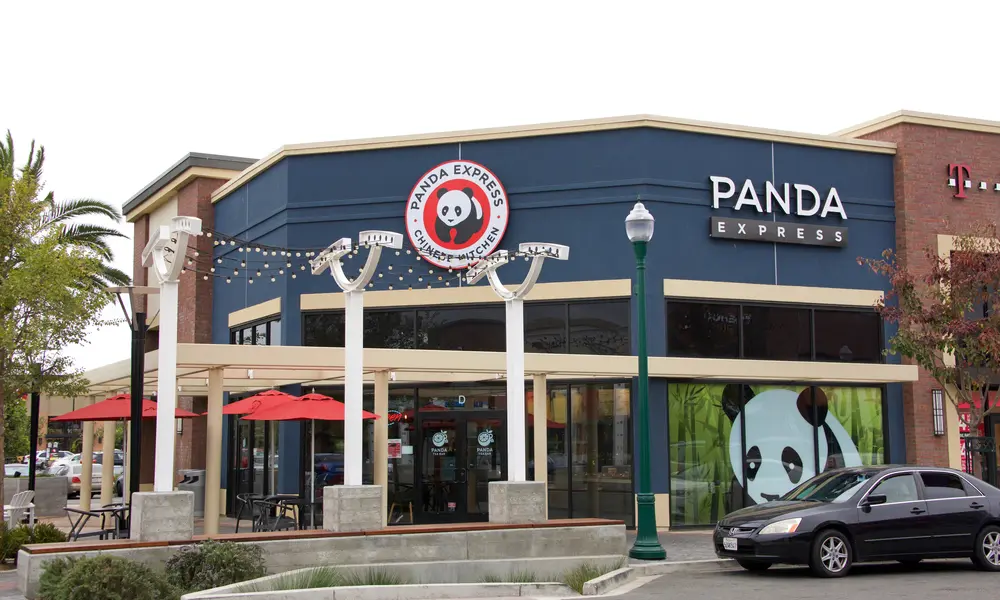
Panda Express grew from one location in Glendale, California to a global brand.
In a sea of fast food chains like McDonald’s, KFC, and In N Out Burger, one brand has carved a unique niche - Panda Express. The brand has become synonymous with Chinese-American cuisine and its iconic Orange Chicken.
With more than 2,500 locations around the world, Panda Express has built a massive empire spread across malls, airports, and stand-alone restaurants.
What makes Panda Express remarkable is not just its wide availability, but the fact that it achieved dominance in a market that was already full of big names. It could have easily become another ethnic food concept, but instead, Panda Express is a brand that transcends demographic boundaries.
So, it is worth discussing how the Cherng family (the founders) built Panda Express to be the largest Asian fast-food chain in America that appeals to diverse customer bases. It is the perfect case study of brand identity, family-driven leadership, and long-term strategy.
In this article, we will deconstruct the success of the Panda Express business model to extract the lessons that you can apply to your own restaurants.
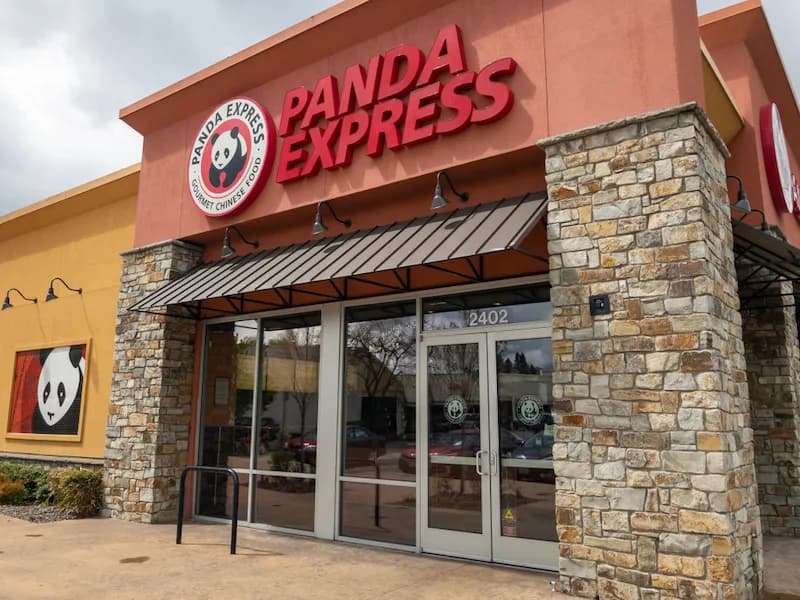
Panda Express is a fast-food chain that has become synonymous with Chinese-American cuisine and its iconic Orange Chicken.
Origins and Panda Express History
The Panda Express history starts when Andrew Cherng and his wife Peggy Cherng opened the first store in the food court of the shopping mall Glendale Galleria in Glendale, California.
The origin of Panda Express can also be traced back to the foundation of Panda Inn in Pasadena, California, in 1973 by Andrew Cherng and his father, Master Chef Ming-Tsai Cherng.
However, it is important to note that both Panda Express and Panda Inn are separate entities, operating under their parent company,Panda Restaurant Group. Panda Inn is an upscale fine-dining restaurant with only 4 locations throughout Southern California, while Panda Express is the quick-service fast-food chain with over 2,500 stores, specializing in American-Chinese dishes.
Let’s look at some key questions about the foundation of Panda Express:
When was Panda Express Founded?
The actual Panda Express concept was founded in 1983 when Andrew Cherng and his wife Peggy Cherng opened the first Panda Express in the Glendale Galleria food court. The Panda Express first location was different from the traditional Chinese restaurant models, as customers could see the food being prepared and select from a limited variety of popular dishes.
Where was Panda Express Founded?
Panda Express was founded after Andrew Cherng enjoyed a decade of success from Panda Inn in Pasadena, California. Andrew's wife, Peggy Cherng, used her engineering background to customize the restaurant's operating systems.
The first store at the Glendale location helped the Cherngs bring the fast-casual Chinese restaurant to life. It was a strategic location decision to introduce Chinese food to a broader audience as food courts were emerging as popular dining destinations in American malls during the 1980s and 1990s.
Current Ownership of Panda Express
Unlike many restaurant chains, Panda Express is still family-owned. It means the owner of Panda Express is still Andrew and Peggy Cherng. They continue to play a vital role in the business’s strategy and operations through the parent company, Panda Restaurant Group.
Moreover, Andrew and Peggy Cherng serve as co-CEOs of Panda Express. Panda Express owner daughters, Andrea and Nicole Cherng, are also involved in various aspects of branding and philanthropy.
Andrew Cherng's net worth is estimated to be $3.7 billion, which proves the massive success of Panda Express.
The family-owned model of Panda Express has provided the restaurant with impressive stability. Moreover, the restaurant does not have pressure from public shareholders, so the parent company is able to make long-term investments and prioritize brand values over quick profits.
Overall, the Panda Express company history shows that it entered a highly competitive market where many Chinese restaurants were already serving customers. However, most of these restaurants were operating as either high-end establishments or small family-owned takeout places.
Andrew and Peggy Cherng identified a gap between these two extremes and created a format in the form of Panda Express that could serve quality Chinese-American food quickly and consistently. This strategic positioning became the foundational reason for the massive success of Panda Express in later years.
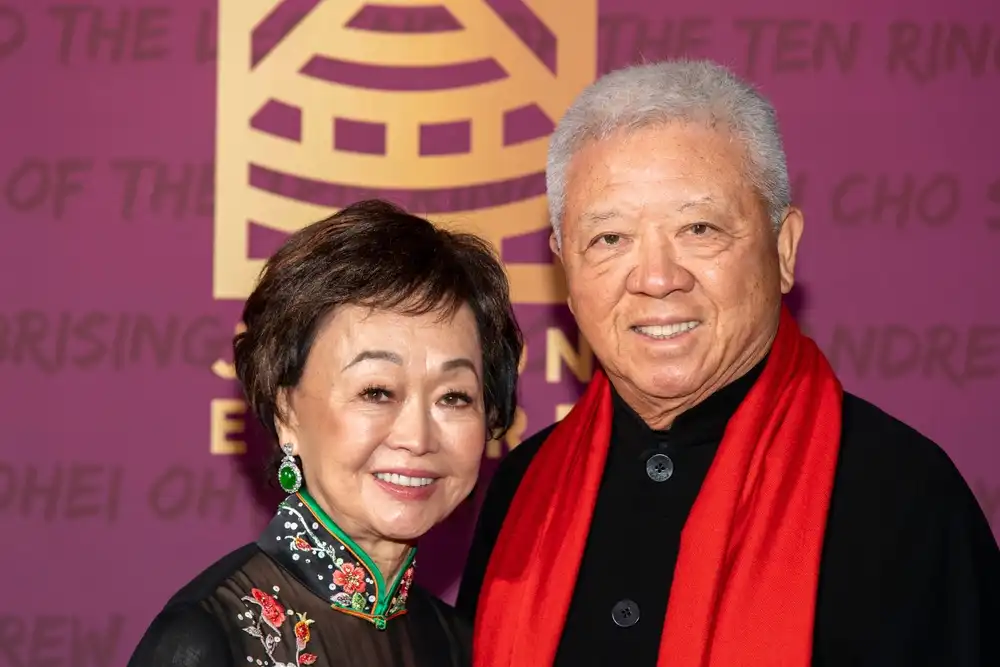
The founders of Panda Express, Peggy and Andrew Cherng pose in this photo from 2021.
Trajectory of Panda Express Success
The trajectory of Panda Express can be divided into phases that demonstrate how the brand became a billion-dollar empire over time:
Early Expansion (1983-1990s)
After the success of their first location, the founders of Panda Express decided early on to focus on mall food courts and shopping centers instead of standalone locations. This strategy was successful in getting foot traffic and allowing the brand to test markets without the excessive costs of independent real estate.
Moreover, Panda Express was able to create its signature operating model during this phase. This model includes:
✅ Daily preparation of fresh ingredients
✅ Visible cooking stations
✅ A limited menu of popular dishes to impress the customersDaily preparation of fresh ingredients
The Cherngs understood that American customers wanted Chinese food that felt familiar instead of a completely new dish that might even seem intimidating. So, the Panda Express owners developed recipes that created a bridge between authentic Chinese flavors and American taste preferences.
National Growth Phase (1990s-2010s)
As Panda Express continued to gain recognition, it started expansion beyond California. Many fast-food chains rush into franchising at this stage, but Panda Express maintained corporate ownership of most locations. This brings us to a commonly asked question:
Panda Express Franchise Model: Is It a Franchise?
One of the most common questions people ask about Panda Express is: “Is Panda Express a franchise?” The answer is: mostly no.
Panda Express operates through company-owned stores to have complete control over brand standards, menu consistency, and customer experience.
However, there are a few exceptions in Panda Express franchises:
✅ Some of Panda Express's locations operate under licensing agreements, especially in airports, campuses, or military bases.
✅ These are not traditional franchises, but partnerships with large operators like Aramark or Compass Group.
In short, if you are searching for Panda Express franchise requirements, you won’t find one in the traditional sense.
The key takeaway here is that not every restaurant has to franchise to achieve scale. Panda Express is one great example of how it managed to become a huge brand by keeping control in-house.
Modern Era (2010s-Present)
By 2010, Panda Express had established itself as the leading name in fast-casual Chinese food. So, today, when people ask “how many Panda Express locations are there,” the answer is over 2,300 across the United States , with continued expansion into new markets like Canada, Dubai, South Korea, and many others.
The key takeaway here is that not every restaurant has to franchise to achieve scale. Panda Express is one great example of how it managed to become a huge brand by keeping control in-house.
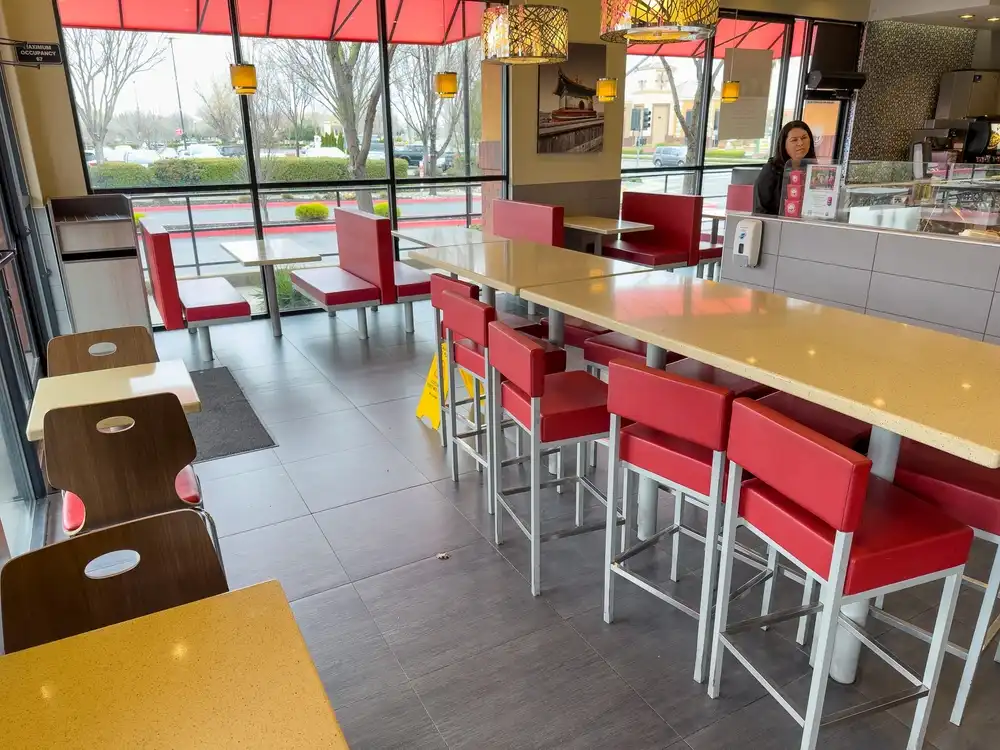
The interior of a Panda Express restaurant. The restaurant's interior design is modern and inviting.
Critical Elements of Panda Express Success
Several key factors have contributed to making Panda Express the leader in Chinese fast food:
1. Cultural Bridge
Panda Express created a bridge between authentic Chinese cuisine and American fast-food expectations. The menu has dishes like Orange Chicken and Beijing Beef that incorporate Chinese cooking techniques and flavors, but primarily appeal to common American tastes.
This cultural adaptation strategy has helped Panda Express reach a diverse demographic that wants Chinese food with satisfying flavors. Such a type of approach is also useful in expanding the market instead of simply competing for existing Chinese food customers.
2. Simple and Excellent Operations
Traditional Chinese restaurants typically have extensive menus. Panda Express, on the other hand, has about 20 core dishes that are prepared with optimum consistency at all of its locations. This operational simplicity provides the brand with better quality control, faster service, and more efficient training of staff members.
Moreover, all Panda Express locations have visible cooking stations that create transparency and freshness perception, while also providing entertainment to customers waiting in line. The key lesson here is for restaurants to scale through simple and streamlined operations.
3. Strategic Location Selection
Panda Express focuses on high-traffic locations over standalone restaurants. Food courts, shopping malls, airports, and college campuses help the restaurant reach a large built-in customer flow and minimize marketing budget.
This location strategy also helps Panda Express capture customers during their daily routine instead of requiring them to make special trips. The restaurants are also able to improve unit economics as these locations have lower rent compared to prime restaurant real estate.
4. Supply Chain Innovation
Panda Express has invested heavily in supply chain infrastructure through its parent company, Panda Restaurant Group. It allows the restaurant to support fresh food preparations at scale. Moreover, it has proprietary sauce recipes to maintain food quality at all locations while achieving scalability.
This location strategy also helps Panda Express capture customers during their daily routine instead of requiring them to make special trips. The restaurants are also able to improve unit economics as these locations have lower rent compared to prime restaurant real estate.
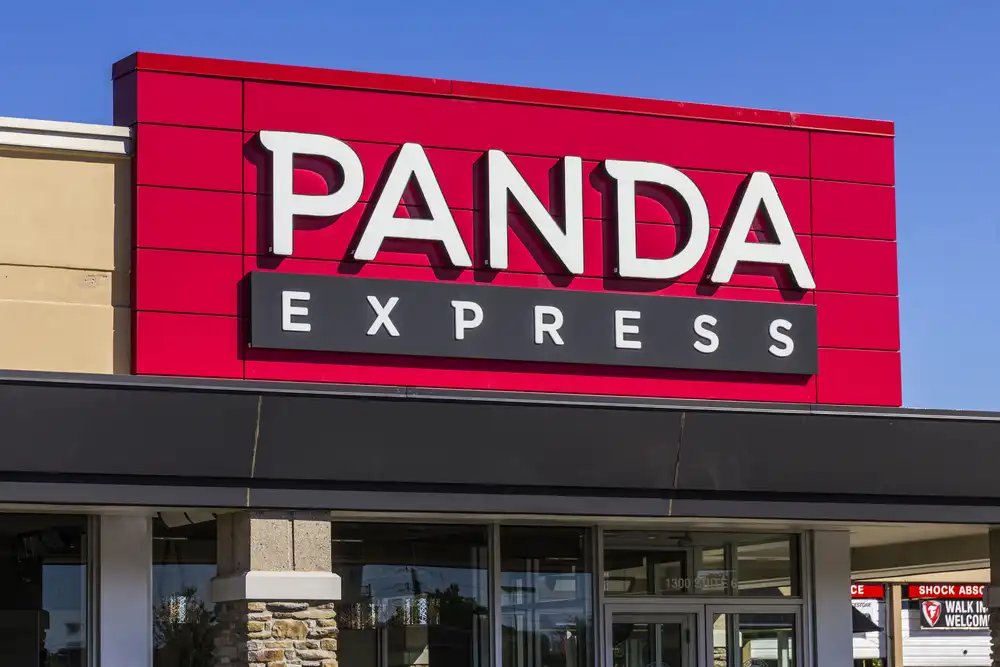
With few exceptions, Panda Express locations are corporate owned, with a consistent look and feel across all locations.
Lessons from Panda Express's Success
Restaurant owners and food entrepreneurs can extract several lessons from the remarkable journey and success of Panda Express:
1. Adapt Culture Without Losing Authenticity
Adapting Chinese cuisine for American palates without completely abandoning its cultural roots is one of the primary reasons for its success. The dishes retain the major Chinese cooking techniques and flavors, while incorporating ingredients that appeal to mainstream customers.
However, it is also important to note that Panda Express has also faced criticism from Asian Americans for being 'inauthentic and too Americanized.' Yet, the $6.1 billion sales in 2024 and the continuous expansion of Panda Express prove that it is a highly successful chain that has found its customers among all ethnicities, including Asian Americans.
Who this applies to:
✅ Ethnic restaurants looking to expand beyond their traditional customer base
✅ Food entrepreneurs wanting to introduce international cuisines to new markets
✅ Immigrant-owned restaurants want to balance heritage with commercial appeal
Who this may not apply to:
⛔️ Restaurants focused on authentic and traditional preparations
⛔️ Fine dining establishments where cultural purity is part of the value proposition
2. Flagship Products Build Loyalty
Most fast-food chains have flagship products, such as the Original Chicken Sandwich at Chick-fil-A and the Big Mac at McDonald's. Panda Express found its flagship product in 1987 when Chef Andy Kao developed the orange chicken recipe at a Panda Express in Hawaii.
Orange Chicken continues to be Panda Express’s best-seller, with 115 million pounds being sold every year, accounting for a third of all sales. It has become synonymous with the Panda Express brand and drives repeat visits.
Therefore, just like Panda Express has Orange Chicken, your restaurant should also have a flagship item, so customers can come back for it again and again.
Who this applies to:
✅ Independent restaurants wanting to build brand recognition
✅ Chains want to create memorable menu items and stand out from competitors
✅ New restaurants seeking to stand out and establish customer loyalty
Who this may not apply to:
⛔️ Fine dining establishments focused on chef creativity and seasonal menus
⛔️ Restaurants where variety and constant innovation are the core business model
3. Focus on High-Traffic Locations
Restaurants don’t have to compete for expensive standalone locations. Panda Express built its empire in food courts and shopping centers. Similarly, new restaurants can focus on areas with high foot traffic and keep the overhead costs manageable.
Who this applies to:
✅ Fast-casual concepts that benefit from quick purchases
✅ Restaurants with limited capital for a prime location
✅ Food chains looking to test new markets without heavy investments
Who this may not apply to:
⛔️ Fine dining restaurants that require destination appeal
⛔️ Concepts dependent on evening dining and entertainment areas

A billboard sign for new menu items being offered by Panda Express.
4. Simplify Operations for Scalability
Panda Express's limited menu and standardized food preparation methods bring consistent quality across thousands of its locations. Such kind of operational simplicity is vital to maintaining standards during rapid growth.
Who this applies to:
✅ Restaurant chains doing aggressive expansion
✅ Food chains focused on consistency over menu variety
✅ Operations with limited skilled labor
Who this may not apply to:
⛔️ Restaurants where menu variety is a key differentiator from the competitors
⛔️ Food businesses that emphasize chef creativity and seasonal offerings
5. Maintain Control During Growth
Despite opportunities for traditional franchising and going public, the Cherng family has maintained ownership control of Panda Express. The family-owned structure is useful for long-term decision-making without shareholder pressure.
It does not mean that every restaurant has to be family-owned. Instead, restaurants can also opt for franchising models, but with strict operational agreements, to have maximum control over branding and customer service.
Who this applies to:
✅ Family-owned businesses with long-term vision
✅ Entrepreneurs who prioritize control over financial growth
✅ Restaurants where brand consistency is more important than expansion speed
Who this may not apply to:
⛔️ Businesses needing external capital for growth
⛔️ Food chains where franchising provides better market penetration
6. Create Secondary Revenue Streams
Panda Express catering has become an important revenue driver that uses existing operational capabilities to serve customers with varying needs. Moreover, Panda Express operates under the parent company, Panda Restaurant Group, which also has other brands, including Panda Inn.
This type of diversification is important for businesses to generate additional growth without always requiring new restaurant locations.
Who this applies to:
✅ Restaurants with scalable food preparation capabilities
✅ Food establishments that can serve both individual and group dining needs
✅ Established brands looking to maximize revenue
Who this may not apply to:
⛔️ Restaurants with limited production capacity
⛔️ Food entrepreneurs with limited capital
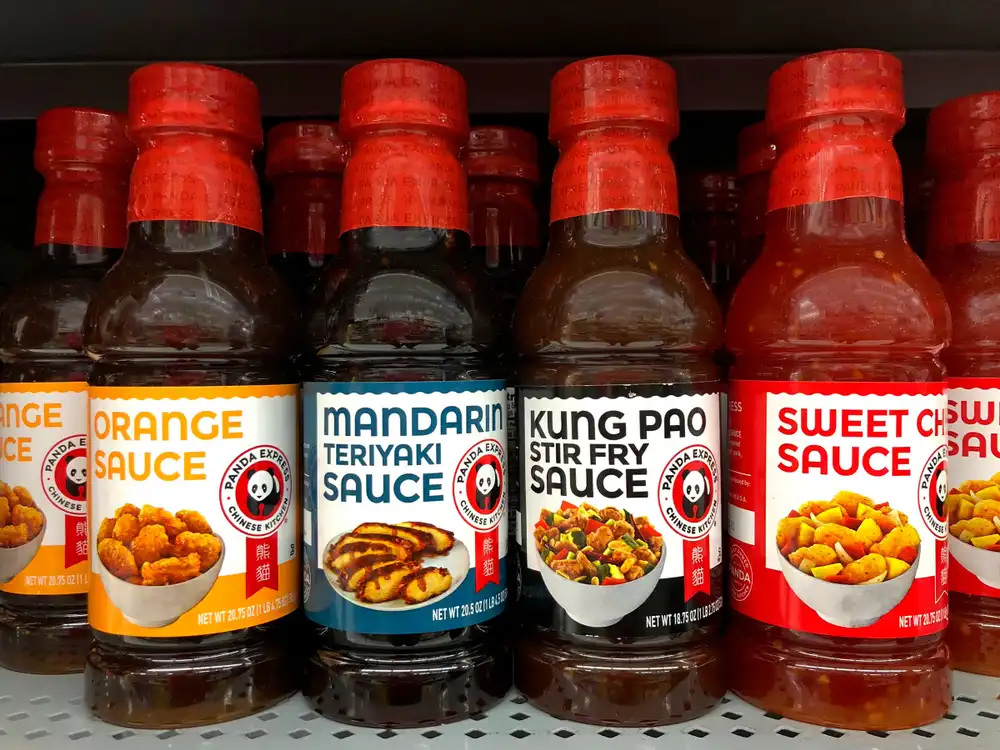
A grocery shelf filled with various flavors of Panda Express branded sauces. Diversification has been part of the Panda Express strategy.
Conclusion
The success of Panda Express is a testament to the fact that being the first to market is not the only path to glory.
From a single location at the Glendale Galleria shopping mall in California, Panda Express grew into a global brand by prioritizing quality, consistency, and long-term operational strategy.
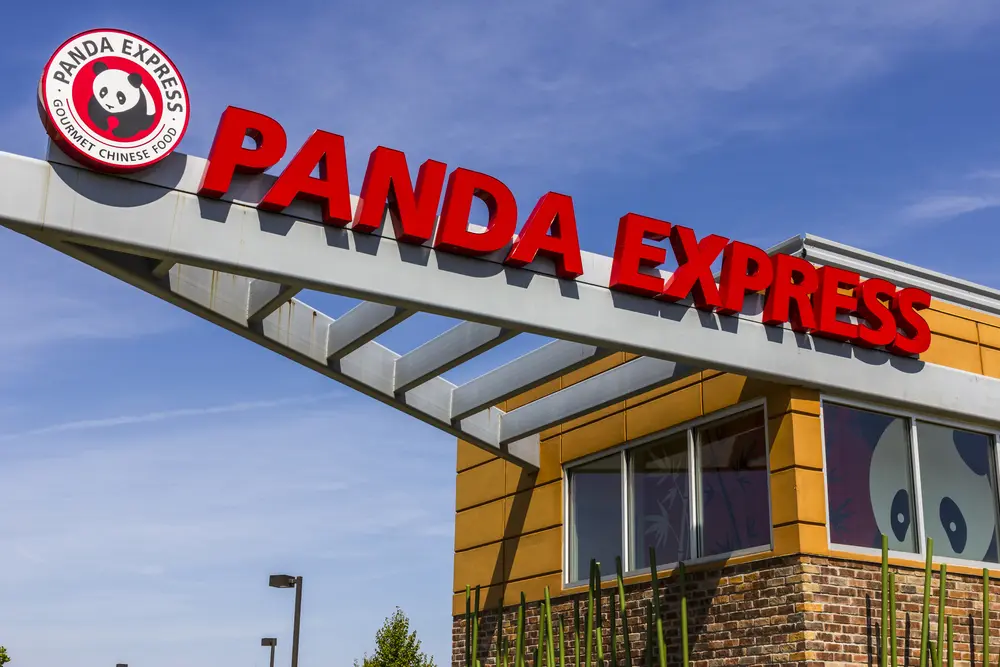
Learn from the success of Panda Express. Apply it to your own business strategy.
©2025 Cocina Digital Hospitality Group, Inc. All rights reserved.
No part of this publication may be reproduced, stored in a retrieval system, or transmitted in any form or by any means, electronic, mechanical, photocopying, recording, or otherwise, without the prior written permission of the publisher.