Restaurant Success Deconstructed: Denny's Diner
Denny's markets themselves as “America's Diner,” focusing on appealing meals in a sit-down atmosphere. Despite the lack of glamour, Denny's has thrived for over 70 years by sticking to its core values and adapting to changing consumer preferences. Let's explore the key factors behind Denny's enduring success and apply these lessons to our own restaurant ventures.
Abdullah M.
loading...
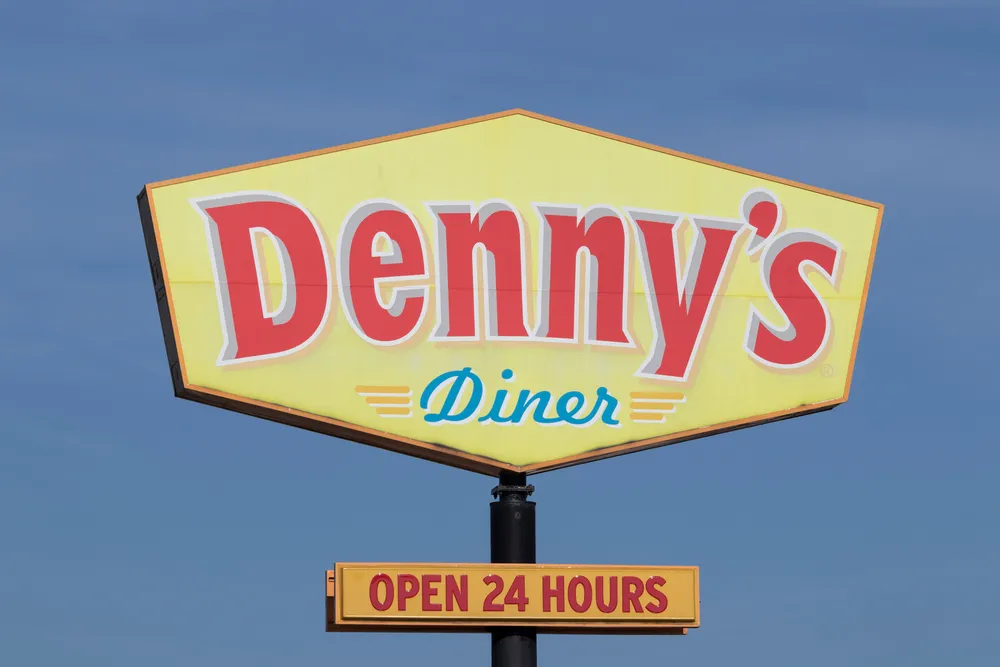
Being a diner isn't a glamorous restaurant concept, but it has longevity as Denny's Diner has shown. What can we learn from the success of Denny's?
When it comes to measuring and analyzing the success of restaurants, factors like their profitability, usage of modern technology, quality of chefs and their culinary skills, and overall glamour quotient are discussed in great detail.
But one key thing that is often ignored is a restaurant's longevity.
One name that comes to mind regarding this is Denny’s Diner.
You’ll probably not see this restaurant in lists like “best new restaurants” or “must-visit food outlets.”
Yet, for over seven decades, Denny’s Diner has thrived in the highly competitive restaurant industry.
The brand’s evolution and endurance give important lessons about consistency, adaptability, and the right positioning.
The assumption that the success of Denny’s Diner mainly comes from serving breakfast all day and being open 24/7 is not unfounded.
But there is so much more to deconstruct about the success of Denny’s Diner to understand the decisions it has made over the years to outlast many trends and remain one of America’s top diners.
But Why Profile Denny’s Diner At All?
Very few restaurant chains offer more instructive lessons than Denny’s Diner, especially in longevity and sustainability.
The diner does not have a story about having an explosive growth or state-of-the-art innovation. Instead, its growth and history are all about strategic endurance in an industry that is known for failure.
Denny’s American Diner has survived numerous economic downturns since 1953. Moreover, it has managed to navigate the changing consumer preferences and aggressive competition through strategic decisions, such as offering breakfast items at all times.
Currently, Denny’s America’s Diner is present at 1,299 locations in the USA and over 1,650 locations worldwide.
However, the number of branches does not make Denny’s Diner a remarkable food chain, but it is their consistency over the period of seven decades.
Considering all these factors, profiling Denny’s Diner is vital to draw lessons that can help restaurant owners face the challenge of building sustainable operations.
Moreover, Denny’s strategic choices will show how chasing trends is not necessarily the right thing to do in the restaurant industry, as operational simplicity and consistency can create lasting competitive advantages.
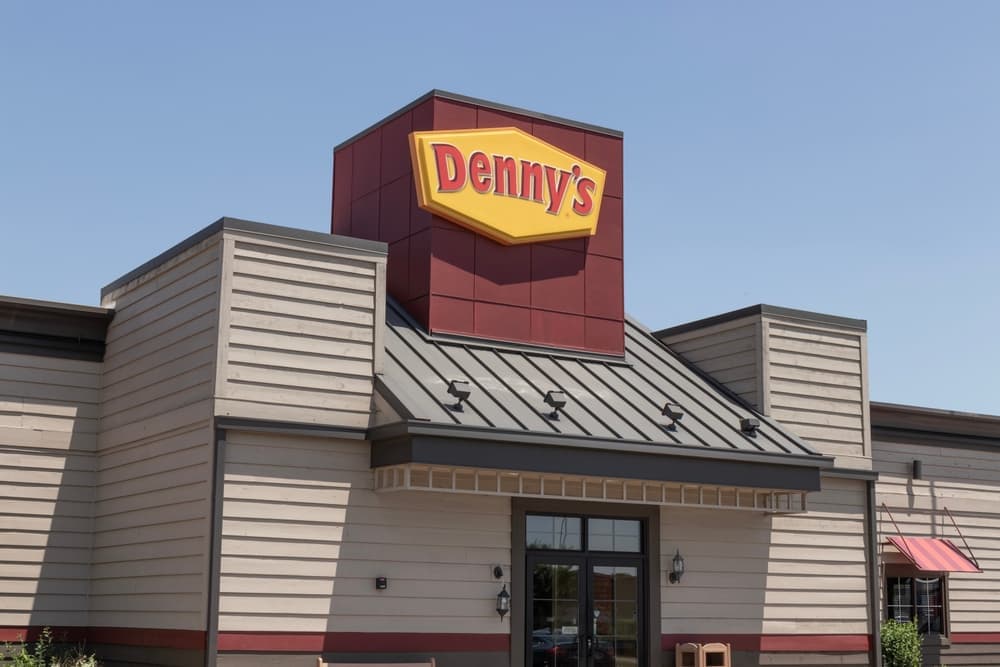
Denny's restaurants, despite their age, continue to be well maintained and popular among customers.
History of Denny’s Diner
Denny’s Diner was initially a coffee and donut shop known as Danny’s Donuts. It was established by Harold Butler and Richard Jezak in Lakewood, California, in 1953.
The original establishment aimed “to serve the best cup of coffee, offer the best value, and stay open 24 hours a day.” This simple mission statement became the foundation of Denny’s Diner operations.
The very first strategic decision that Denny’s Diner, in the form of Danny’s Coffee, made was to have 24-hour operations as a core differentiator.
Generally, the competitors were focused on the traditional meal periods, but Butler was committed to serving customers round-the-clock.
Restaurant owners should know that the operational decisions made early can define their competitive advantages if constantly maintained.
From Danny's Donuts to Danny's Coffee Shops
Butler transformed Danny’s Donuts into Danny’s Coffee Shops in 1956 after Jezak left the partnership.
The evolution came with an expanded menu that included sandwiches and entrees, while sticking to the 24-hour operational model.
This gives the key lessons of menu expansion based on customer demand instead of remaining rigid on the original concept.
Butler was able to evolve his business based on customers’ requirements. Hence, restaurant owners should stay familiar with customer behavior and adapt their concepts accordingly.
Plus, the ability to transform presented itself when Jezek left, so businesses should not take such exits personally or as a setback, as they can be used as a launching pad for something greater.
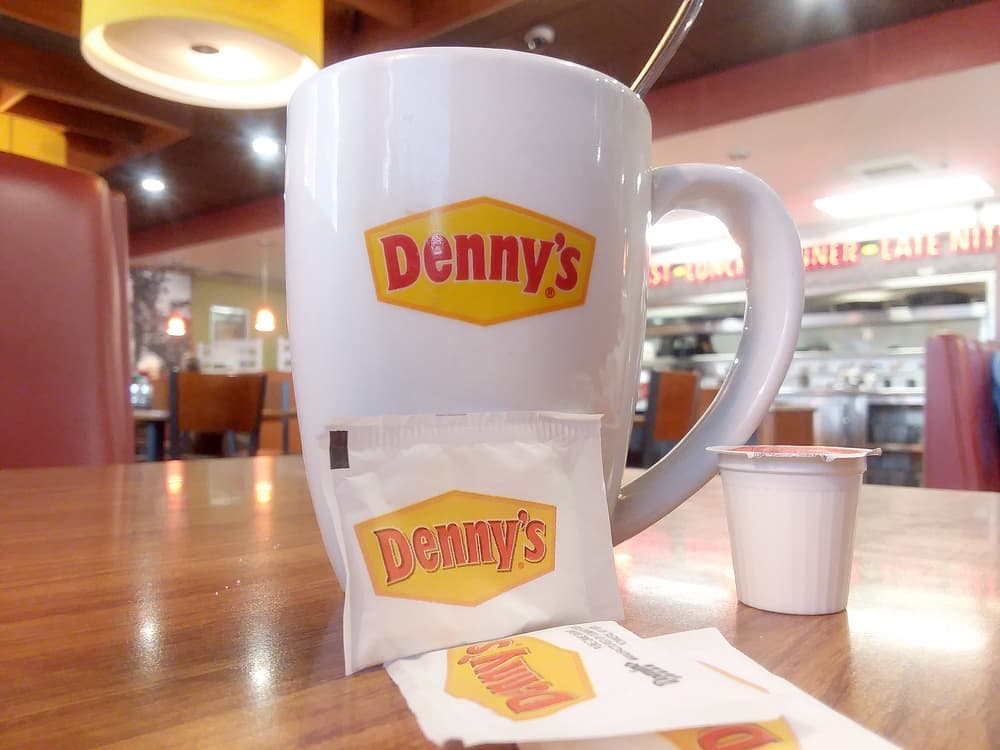
The iconic Denny's coffee mug with a few packets of branded sugar.
Denny’s Diner and Franchising
In 1959, Butler changed Danny’s Coffee Shops to Denny’s Coffee Shops to avoid confusion with another Los Angeles based chain named “Coffee Dan’s.”
The name was finally simplified to “Denny’s” in 1961 and has remained the same since then. However, other names like “Denny’s Diner” or “Denny’s American Diner” are also used for the same establishment.
All of these name changes have always reflected strategic positioning instead of simple rebranding.
Denny’s first franchise agreement was in 1963. The chain opted for the franchising model to ensure geographic expansion while ensuring consistency in operational standards through franchise support systems.
Denny’s Diner used franchising as a systematic growth tool with strict operational controls.
The company was able to have full control over site selection and designing customer experience while allowing the local operators to adapt to regional preferences.
By 1981, Denny’s America’s Diner had 1,000+ locations across 50 states, showing the success of its franchising system.
The company also focused on highway locations and suburban markets to capitalize on America’s growing car culture and interstate traveling.
This shows the significance of always being on the lookout for good opportunities and expanding strategically as per the demand.
Denny’s Diner Success Trajectory: Importance of Strategic Consistency Over Decades
Denny’s Diner massive success came in 1977 with the introduction of the iconic Grand Slam breakfast.
Grand Slam Breakfast
Denny’s Diner introduced the Grand Slam breakfast at an Atlanta location to honor the baseball legend Hank Aaron.
The meal contained two pancakes, two eggs, two bacon strips, and two sausage links for just $1.99. The Grand Slam became so popular that the chain also introduced it at other locations.
Just as Denny’s Diner has the Grand Slam as their signature menu, it is important for any restaurant to have an item that communicates their value and marketing message to people.
Restaurant owners should also recognize the fact that signature meals have the potential of becoming brand ambassadors, which ultimately simplifies marketing and also creates customer loyalty.
Moreover, having a menu that aligns with the restaurant’s core value proposition is vital to build longevity.
The Grand Slam demonstrated Denny’s Diner commitment to offering generous portions of meals, especially breakfast items, at affordable prices.
Even now 50 years later, the Grand Slam is Denny’s Diner most recognizable item that continues to drive sales.
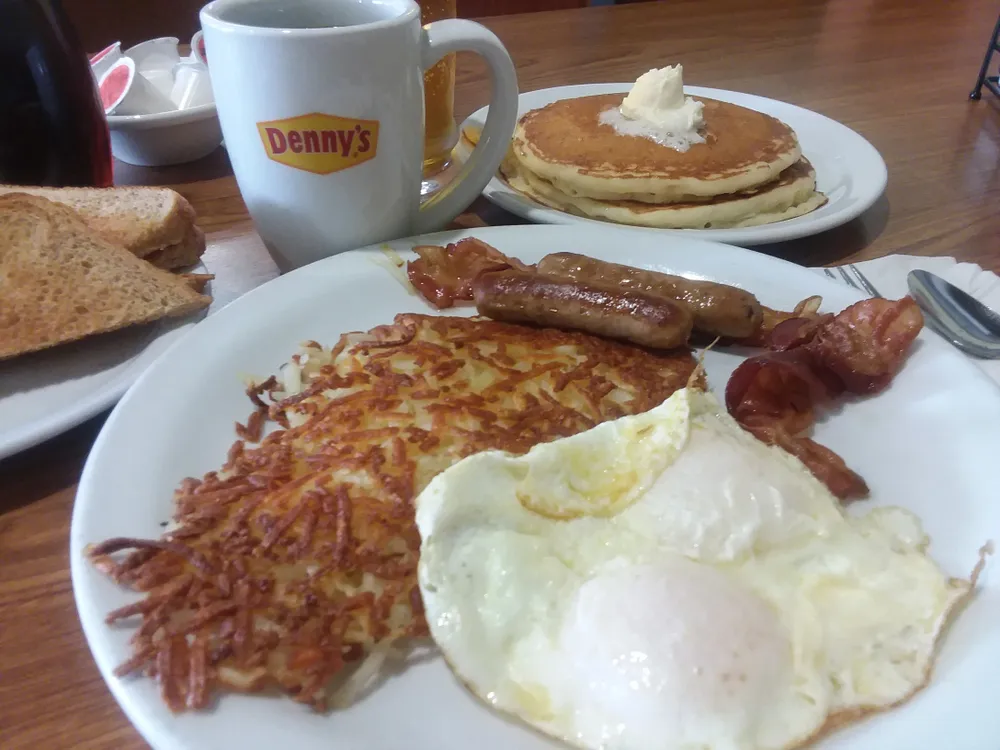
Introduced in 1977, the Grand Slam breakfast has been a staple of Denny's Diner ever since.
Withstanding Industry Changes and Economic Downturns
Denny’s America’s Diner faced significant challenges throughout the 1980s and 1990s. Most of these challenges were due to economic recessions, changing dietary preferences, and high competition from fast-food chains.
Nevertheless, the restaurant chain ensured strategic consistency to navigate these challenges to get through these difficult times, which is a key lesson for restaurant owners.
It gives an important lesson that it is not necessary for restaurants to constantly reinvent or chase trends.
External factors like economic recession can reduce any business’s profits for a time being, but it does not mean that the business model is failing.
The company’s commitment to remain open 24 hours proved highly valuable during these times as budget-conscious consumers liked having affordable dining options at all times.
Upscale restaurants struggled immensely during the recessions, but Denny’s Diner positioning as an affordable and accessible alternative proved to be a success.
Overall, Denny’s Diner was able to survive the economic downturns by maintaining their core positioning while also making improvements to operations and menu offerings.
This is a balanced approach that tells restaurant owners and managers to have strategic patience and avoid reactive pivoting during challenging times.
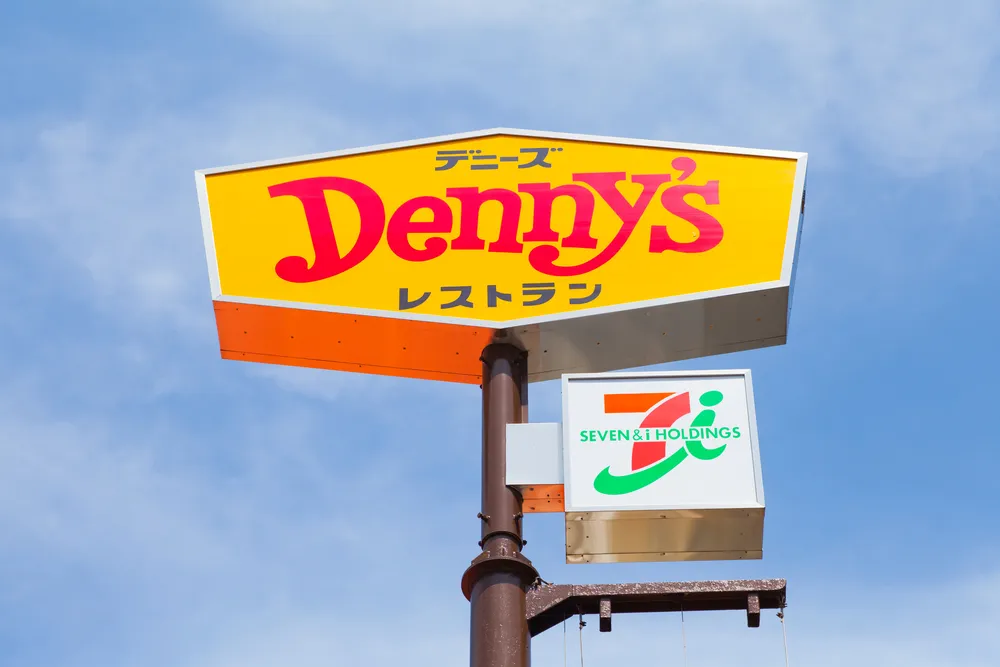
Denny's has expanded to over 1,600 locations worldwide through franchising. The above is a sign from a location in Tokyo, Japan.
Key Elements of Denny’s American Diner Success
Let’s look at the key elements that have ensured Denny’s America’s Diner success and longevity for over 7 decades:
1. 24/7 Operation Model
Denny’s Diner’s commitment to providing 24-hour service has become a competitive advantage.
The chain has developed sophisticated systems for inventory management and staff scheduling over the years to ensure the success of such model.
Moreover, Denny’s Diner maximizes the productive capacity of their equipment and real estate investment by serving round-the-clock.
2. Franchising with Strategic Control
Denny’s Diner has expanded to 1,600+ locations through franchised locations.
Most of the diner’s revenue comes from franchise fees, ongoing royalties, and supply chain relationships.
It also enables local operators to build sustainable businesses within the operational framework given by Denny’s Diner.
So, when the right opportunity arises, restaurant owners should also consider strategic franchise partnerships instead of maintaining tight corporate control.
There is no right or wrong answer in this.
Chains, such as In-N-Out Burger and Starbucks, have managed to be successful through complete family or corporate ownership, while chains like Denny's Diner, McDonald's, and many others have been successful through franchising.
3. Signature Menu Strategy
While having a variety of items to choose from can be appealing thing for many people, there also have been surveys and discussions that suggest that restaurants with extensive menus can suffer.
For example, one survey indicated that a massive 86% of Gen Z suffer from “menu anxiety” and decision fatigue. Similarly, there have been numerous discussions about how decision fatigue is becoming common globally among all age groups.
With all of these statistics in perspective, it is not surprising that Denny’s Diner has remained America’s top diner for seven decades.
Its menu is simple and most people coming to the diner know what they want.
The Grand Slam breakfast, especially, has become the restaurant’s signature item and created customer loyalty over the years.
Even though Denny’s is not the cheapest option, but still it offers the best value proposition in their market. Hence, restaurant owners should also focus on optimizing the relationship between cost and perceived value to build loyalty.
4. Strategic Consistency Over Constant Innovation
Denny’s American Diner has maintained their core positioning through seven decades.
It means the business has successfully gone through economic cycles and industry trends without reinventing their core concept.
This kind of strategic patience has helped the brand become one of the top diners in America and win over customer trust.
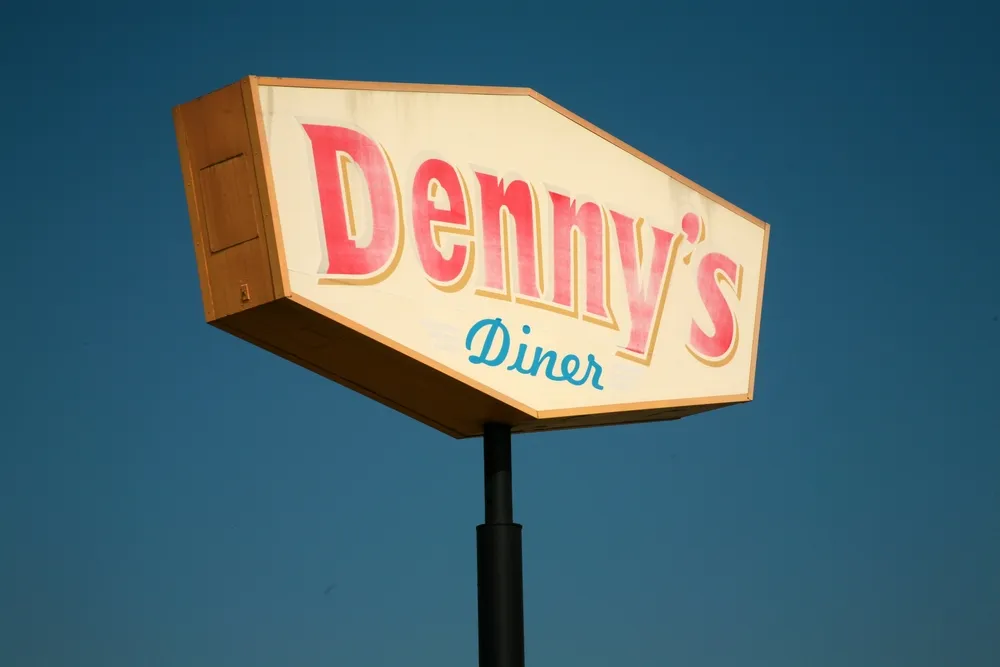
Denny's restaurants are well-known for being open 24 hours per day and offering their breakfast items all day long. This strategy has helped them attract a wide range of customers, including night-shift workers and travelers.
Lessons from the Longevity of Denny’s Diner
Let’s sum up the key lessons that restaurant owners and managers can learn from the longevity of Denny’s Diner:
1. Use Operational Complexity as an Advantage
By remaining open 24/7, Denny’s Diner has established itself as the ultimate fallback option for anyone wanting a meal outside the normal meal hours.
Most importantly, its ability to serve breakfast items at all times is appealing to most customers.
Ultimately, serving a market segment that other competitors ignore will help you own that segment.
However, running such a restaurant is not an easy task as it requires extensive systems to manage the staff, inventory, and facility.
Since Denny’s Diner has this working model since its inception, it has managed to perfect the art of using operational complexity as a competitive advantage.
Who this applies to:
✅ Established restaurant chains with operational expertise
✅ Restaurants located in high-traffic locations
✅ Diners and restaurants in areas with night-shift workers
Who this may not apply to:
⛔️ Fine dining concepts where quality can suffer with 24/7 operations.
⛔️ Small, owner-run food spots with no or limited staff
2. Market Positioning
Some restaurants make the mistake of wrong positioning without paying attention to their actual value proposition and target audience.
Denny’s Diner, on the other hand, has never tried to be a fancy restaurant or a luxury steakhouse.
In fact, Denny’s has doubled down on its marketing as America's Diner, which is a place for familiar food and generous portions.
It shows that restaurants can build a clear and timeless identity without chasing trends.
Who this applies to:
✅ Family restaurants and cafes with a consistent menu
✅ Businesses in markets where stability is valued over novelty
Who this may not apply to:
⛔️ Restaurants dependent on seasonal menus to attract customers
3. Strategic Locations
Denny’s Diner locations are typically near highways, airports, and other high-traffic areas.
These locations attract travelers and overnight guests who are looking for an affordable and predictable meal.
As a result, the brand is able to build loyalty with frequent travelers who encounter Denny's in multiple states.
It gives the important lesson that location convenience can significantly outweigh marketing spend because opening your restaurant at the right location can help the customers find you.
Who this applies to:
✅ Restaurants that can do partnerships with hotels or motels
✅ Restaurant chains and diners near tourist routes
Who this may not apply to:
⛔️ Food establishments that rely on urban foot traffic and high-end neighborhood
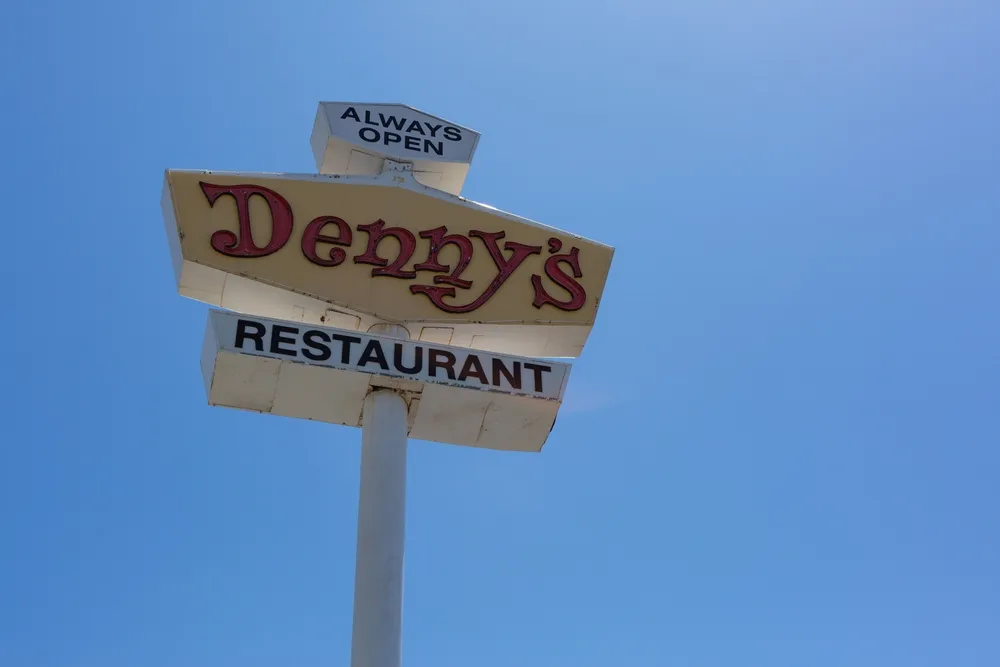
Tall signs for a Denny's restaurant are a common sight. The signs are strategically located near highways and airports, attracting travelers seeking affordable and reliable dining options.
4. Serve a Purpose, Not Just Food
Denny's Diner is known for serving not just great food, but also a sense of security and comfort.
Denny's itself has become so deeply ingrained in American culture, that Denny's has been fittingly given it the name of Denny’s American Diner.
Customers know that Denny's Diner has decades of history and it has become a dependable diner for everyone at all times.
This gives the lesson that along with excellent food and operations, restaurants should also commit to having a bigger purpose to create an everlasting bond with customers.
Who this applies to:
✅ Any restaurant, diner, and food chain trying to build a brand identity for sustainability and longevity.
Who this may not apply to:
⛔️ Pop-up spots or experimental dining concepts.

The above image showcases a ham and eggs based sandwich, highlighting the diner’s commitment to classic American breakfast fare that has contributed to customer loyalty over the years.
Conclusion
Denny’s Diner success reveals an important truth about restaurants’ longevity: strategic consistency is often more valuable than constant innovation.
The diner has managed to build a successful empire by staying committed to its 24-hour operations, controlled franchise agreements, signature menu items, and value positioning.
Denny’s American Diner model is an excellent example for restaurant owners who want to build a sustainable business on the basis of operational skills and deep understanding of the core target customers instead of quick pivoting and flashy innovations.
The lesson here is not that every restaurant should be a 24-hour diner, but that sustainable success comes from recognizing core competencies and their constant execution to ensure the business is able to survive any downturns.
By applying the lessons and principles discussed throughout this article, you also have the chance to build a sustainable, resilient, and long-lasting food business.
Learn from the success of Denny's. Apply it to your own business strategy.
©2025 Cocina Digital Hospitality Group, Inc. All rights reserved.
No part of this publication may be reproduced, stored in a retrieval system, or transmitted in any form or by any means, electronic, mechanical, photocopying, recording, or otherwise, without the prior written permission of the publisher.