Restaurant Success Deconstructed: Starbucks
Many cafes existed before Starbucks, but none achieved the same level of global success. So, what did Starbucks do differently to become a worldwide coffeehouse phenomenon? Let's see what we can learn from their success.
.webp)
loading...

You know the brand and you know the experience... but what can we learn from Starbucks to apply to our own businesses?
Very few brands have had the impact that Starbucks has achieved by transforming from a small store in Seattle to a global empire with over 32,000 stores.
Deconstructing the success of Starbucks matters because its story is more than just a tale of global dominance in the coffee industry.
In this first edition of the Restaurant Success Deconstructed series, we are not just profiling Starbucks to admire its history, but to break it down to understand why it works. Most importantly, we will explore how restaurant owners can apply the same principles as Starbucks to scale their own businesses.
And if you are wondering why we have chosen Starbucks as our first success story to deconstruct, the answer is simple: Starbucks has managed to change the way Americans think about coffee while building a $100+ billion empire. It has stores located in 80 countries. These statistics alone show Starbucks as one of the most successful brands in modern business history.
By studying the history of Starbucks, its leadership principles, and growth strategies, we can extract actionable insights that restaurateurs can put into practice.
Moreover, studying the evolution and growth of Starbucks is vital to get inspired by Howard Schultz, the Starbucks CEO who turned it from a small Seattle coffee chain into a global cafe phenomenon with a bold vision, relentless innovation, and a deep focus on customer experience.
Welcome to Restaurant Success Deconstructed: Starbucks, presented by Cocina Digital.
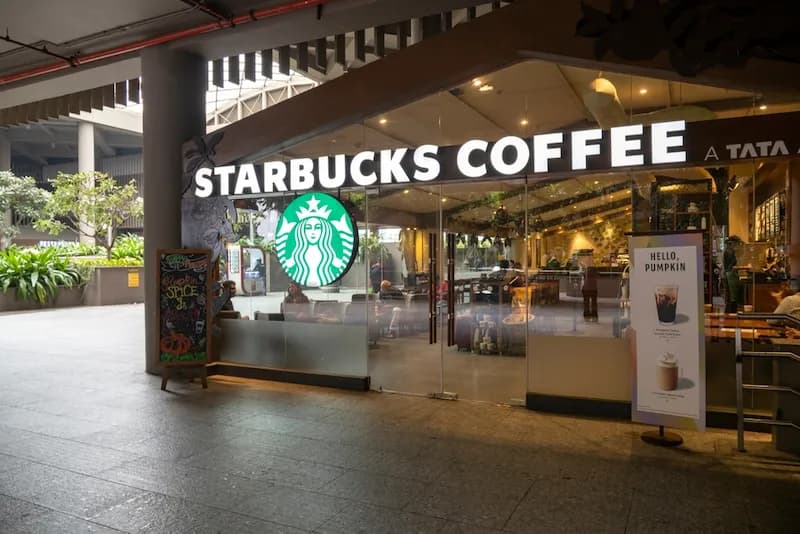
Starbucks was founded in 1971, but it wasn't until Howard Schultz joined the company in 1982 that it began to transform into the global coffeehouse chain we know today.
History of Starbucks
The history of Starbucks can be divided into two stages: the pre-Schultz era (1971-1986) and the Schultz era (1987-present). Let's explore both periods to understand how Starbucks evolved into the global coffee giant it is today.
Early Years: When Was Starbucks Founded?
The history of Starbucks began in 1971 when three friends — Jerry Baldwin, Gordon Bowker, and Zev Siegel — came together to open the first store in Seattle's Pike Place Market. The exact Starbucks founding date is March 30, 1971.
Contrary to popular belief, the first store opened was a retail store and not the coffeehouse chain we see today. It was a business that sold coffee beans, tea, and spices to customers so that they could brew at home.
However, the Starbucks story took an interesting turn when Howard Schultz joined the brand. He is considered to be the man behind building modern Starbucks, even though he was not among the original Starbucks founders. Schultz joined the company in 1982 as the director of retail operations and marketing. There were only four Starbucks stores at that time.
Howard Schultz's Vision to Transform Starbucks
1983 was the most important year in the history of the Starbucks timeline. It was the time when Schultz traveled to Italy and saw the vibrant coffee culture in Milan. He saw over 1,500 espresso bars in Milan, where people gathered to have coffee throughout the day. Schultz realized that this culture was much more than just caffeine consumption, but it was also about having a social space thriving with human connections.
As a result, Schultz decided to bring the “third place” concept to America.
This “third place” concept meant creating a social surrounding for people that is different from the house and workplace. This was something wholly different from the original Starbucks business model of just selling coffee beans.
The original founders, however, were resistant to the idea of selling beverages in a social environment instead of selling coffee beans.
Not one to be deterred, Schultz left Starbucks to open his first espresso bar, II Giornale, in 1985 to recreate the Italian coffeehouse experience for Americans. It was a huge success that validated Schultz’s business idea that Americans also wanted an authentic coffee culture.
In 1987, the original Starbucks founders decided to sell the brand, and Schultz seized this opportunity by acquiring the company for $3.8 million and merging it with his own cafe. It led to the transformation of Starbucks from a regional coffee bean retailer into a coffeehouse, transforming the American coffee culture.
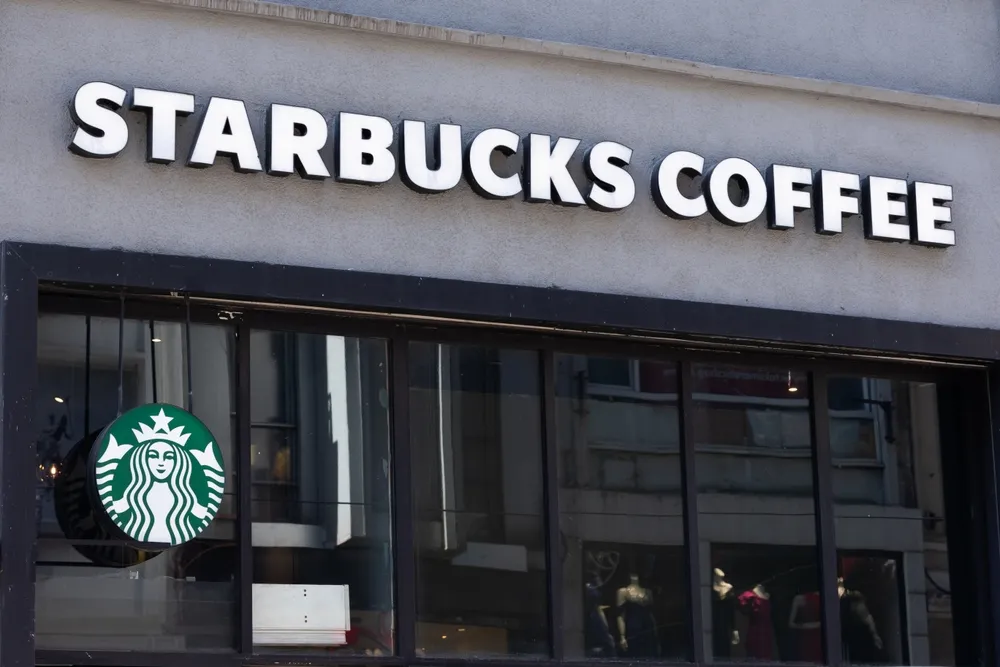
Starbucks is located in over 80 countries worldwide, with more than 32,000 stores globally.
Starbucks’ Path to Global Dominance
It is common for restaurateurs to wonder, “How did Starbucks become successful?” The answer to this common question lies in strategic evolution, global vision, and a consistent customer experience.
Schultz’s vision was not just to sell beverages, but to create a third place for people between home and work. Hence, Starbucks takes pride in creating a social environment where people can relax, work, and connect. Under Schultz’s leadership, Starbucks expanded rapidly across the United States in the 1990s and internationally in the 2000s.
One of the key factors in the success of Starbucks was its ability to replicate the in-store experience across thousands of locations. Unlike many other restaurant chains, such as McDonald’s, that scaled rapidly via franchising, Starbucks chose a completely different path.
Of note is that you cannot franchise a Starbucks store.
Instead, the majority of the Starbucks stores are corporate-owned or at least operate under controlled licensing agreements. This strategy allows Starbucks to maintain strict control over every aspect of the customer experience, from store design and product quality to branding.
By prioritizing consistency and brand integrity, Starbucks ensures every customer walking into a store, whether in Seattle or India, encounters the same welcoming atmosphere and premium product experience. Such a level of control is essential to build brand loyalty and long-term global success.
Japan was selected as the first overseas market due to its growing coffee culture, urban density, and the belief that the Japanese were ready to embrace the Starbucks coffee shop as a lifestyle concept. Since Japan, Starbucks has expanded into 80 countries, providing the same customer experience with high satisfaction. The expansion of Starbucks teaches restaurant owners that international success does not start with “where”, but with “why.” Factors like market fit, cultural alignment, and timing are critical in successful expansion.
Starbucks in China, India, and Italy
Regions like China, India, and Italy are known for their own specialties when it comes to beverages. Tea, for example, is deeply rooted in the Chinese culture, while Italy itself is the homeland of espresso.
Starbucks' expansion into these territories was met with skepticism, so it is important to evaluate the brand’s success and answer the related questions individually:
“Is Starbucks successful in Italy?”
Starbucks opened its first Italian store in 2018. The company managed to beat the odds by strategically waiting until it had built strong global brand recognition, allowing it to attract tourists and locals seeking a more modern coffee experience. The key takeaway here is that restaurants should not enter a saturated or culturally rigid market until their brand has enough differentiation and awareness to compete on experience and not just the product.
“Is Starbucks successful in India?”
Starbucks launched in India in 2012 by partnering with the Tata Group, a global Indian conglomerate. It quickly became a success by adapting to the local market and serving Indian-inspired beverages and food items to attract the local audience.
“What drives Starbucks' success in China?”
Starbucks has its second largest store in China, showing its deep commitment to the market. Starbucks has positioned itself as a symbol of modern lifestyle and status. Moreover, Starbucks has perfectly capitalized on the trend of growing coffee consumption in China. The lessons to be learned are that restaurateurs should understand what their product represents to the target audience. Starbucks did not try to fight China's tea culture, but offered an elevated alternative to customers. Other businesses can do the same by positioning their products as lifestyle choices rather than simple commodities.
Overall, Starbucks has managed to be successful in global regions by being culturally aware and by local customization. It also shows that despite being a giant itself, Starbucks does not shy away from partnering up with local companies to understand local trends and maximize success.
Critical Elements of Starbucks Success
By now, we have discussed the history of Starbucks and some of the reasons that explain why Starbucks is so successful. But in order to truly draw valuable lessons, it is important to deconstruct the key success factors of Starbucks:
1. Premium Product Sourcing
A lot of Starbucks customers, as well as competitors, ask, “Where does Starbucks get their coffee beans?” Starbucks has a strong commitment to ethical sourcing and sustainability through the Coffee and Farmer Equity (C.A.F.E.) practices. It sources the beans from top coffee-producing regions, including Latin America, Asia-Pacific, and Africa.
Moreover, Starbucks has managed to build brand trust by emphasizing the beans’ quality, traceability, and ethical practices. Overall, high-quality Starbucks coffee beans ensure customers get a high-quality product consistently, no matter where they are in the world.
2. Consistency and Scalability
Starbucks' command over the art of consistency across its global locations is one of the biggest reasons for its success. No matter where you are in the world, stepping into a Starbucks feels familiar.
For example, customers know they can expect a reliable Wi-Fi connection, a comfortable atmosphere, and their favorite drink they might have. Such a type of familiarity is of utmost importance to create trust and loyalty, especially for travelers.
At the same time, Starbucks does not ignore local culture. It adapts thoughtfully from menu items that reflect regional tastes to store designs that resonate with local aesthetics. This balance between consistency and smart localization helps Starbucks stand out in competitive markets. It shows that consistency is vital to building trust, and adaptation is useful to build long-term relevance with the local target audience.
3. Starbucks Leadership Principles
The Starbucks leadership team, led by Howard Schultz, is one of the key success factors. He practices servant leadership that involves treating employees with respect and equity. Some of these key principles are:
✅ Emphasis on company culture, regardless of the cafe’s location
✅ Commitment to innovation
✅ Employee empowerment
The practical implementation of these principles is seen in incentives like Schultz offering healthcare to part-time employees and college tuition benefits long before they became legal standards. These measures have created a loyal workforce and contributed to brand goodwill.
Over the years, there have been numerous Starbucks leadership changes. But the core principles have remained consistent and evolved to ensure higher sustainability. However, it is important to mention that Starbucks has also faced some criticism over the years from its employees for varying policies, ranging from low wages to a strict dress code.
4. Ruling a Competitive Space
There is no doubt that Starbucks is the leader of a highly competitive industry. Some of the direct competitors of Starbucks include Dunkin’ and Tim Hortons. Similarly, fast-food chains like McDonald’s are also indirect competitors because they offer coffee and breakfast items.
Nevertheless, Starbucks has managed to be a leader in the industry through its branding, ambiance, and customer experience. Despite the order customization options available in other cafes, the option of customizing a coffee order extensively is typically associated with Starbucks. Hence, Starbucks is a highly successful brand by not just competing on price and taste, but by selling comfort and connection.
Lessons for Restaurateurs: What Can We Learn from the Success of Starbucks?
We've already touched upon the core lessons that can be drawn from the history and success of Starbucks, but now, let's summarize them for different types of restaurants in the form of actionable tips:
Established Restaurant Chains
Established restaurant chains should apply the following lessons from the success of Starbucks:
🚀 Vertical Integration
Restaurants should control the supply chain like Starbucks controls coffee sourcing to ensure quality consistency. It also reduces costs and improves margins.
🚀 Quality Customer Experience
Running a restaurant is much more than just selling food. It involves creating a quality customer experience, just like Starbucks focuses on a premium coffeehouse experience.
🚀 Technology Integration
Investment in modern tools and technologies, such as a mobile app for ordering, loyalty programs, and data analytics, is vital. Starbucks’ app success shows how the brand managed to thrive, even during a global pandemic.
🚀 Invest in Employees
Treating employees with respect significantly improves service quality and minimizes turnover rate, which ultimately ensures higher customer satisfaction.
Growing Restaurant Businesses
Growing restaurant businesses can also use Starbucks’ success as a role model:
🚀 Strategic Location Selection
Starbucks uses advanced analytics for location selection in terms of foot traffic, demographics, and competition. Hence, new restaurants should invest in proper site selection instead of random expansions.
🚀 Brand Consistency
Maintaining core brand elements is of utmost importance in the growing stage, while also adapting to local preferences. This is how Starbucks became successful in 80 countries.
🚀 Smart Expansion
Starbucks' strategy to saturate a market before moving to a new one is a smart and sustainable growth model. Patience and planning go a long way in establishing a successful business. This is demonstrated by the fact that the inspiration behind Starbucks cafes was coffee culture in Italy, but it was not until 2018 that Starbucks entered the country.
Single-Location Restaurants
The lessons from the success of Starbucks are not limited only to growing or established businesses. Single-location restaurants and cafes can also benefit from:
🚀 Quality Standards
Every restaurant should have rigorous quality standards like Starbucks’ bean selection criteria. Quality consistency is useful to build customer trust and loyalty.
🚀 Community Connection
Creating a third-place feeling in your restaurant is important to attract the local community and make it a place where customers want to spend time.
🚀 Loyalty Programs
Customer loyalty programs are useful to encourage repeat visits and ensure higher spending per visit.
🚀 Staff Training
Investing in employee training is important for both small and large-scale restaurants. It helps in creating a positive workplace culture that translates into better customer service.
The “Third Place” Concept
What truly sets Starbucks apart and made it successful is that it was the leader of the “third place” philosophy. It was a vision championed by Howard Schultz after his visit to Italy. He did not just want to sell coffee, but create a safe space for people to sit, chat, and relax between home and work.
This third place concept is the heart of Starbucks today. Everything else, including the quality coffee, friendly service, consistent store design, loyalty programs, and even the technology innovation, supports the larger mission of creating a community and connection.
The lesson here is that restaurants can achieve new heights of success by serving a purpose. For Starbucks, that purpose was the third place, but for your restaurant, that can be entirely something else as long as it's authentic, compelling, and aligned with what your target audience cares about.
Conclusion
The history of Starbucks shows that a humble restaurant business can transform into a global leader through execution, consistency, and vision.
From its founding in 1971 to becoming the most popular coffee brand, Starbucks teaches every business owner the power of delivering quality customer experience and adopting a customer-centric approach.
As a restaurateur, you can also apply the same Starbucks leadership principles that involve leading with vision, focusing on quality, and crafting an experience that customers keep returning to.

Learn from the success of Starbucks. Apply it to your own business strategy.
©2025 Cocina Digital Hospitality Group, Inc. All rights reserved.
No part of this publication may be reproduced, stored in a retrieval system, or transmitted in any form or by any means, electronic, mechanical, photocopying, recording, or otherwise, without the prior written permission of the publisher.